Study at La Palma Art School
La Palma Art School is a public institution for artistic education located in Madrid, Spain, with more than 150 years of history. Managed by the Community of Madrid, the school offers Higher-Level Vocational Training in Sculptural Techniques and its different specialisation, and Mural Arts, as well as a Medium-Level Programme in Leather Accessory Craftsmanship.
We welcome incoming Erasmus+ students from partner institutions who wish to develop their artistic practice in a specialised, workshop-based environment.
What Can Incoming Students Study?
Incoming students may attend modules within the following programmes:
Available modules depend on the semester and compatibility with the student’s academic background. The final study plan will be agreed through the Learning Agreement signed by the student, the home institution and La Palma Art School.
Since our programmes combine technical training and workshop practice, students are expected to actively participate in practical sessions and project-based work.
Teaching Approach
Our programmes are strongly practice-based. Students work directly with materials such as metal, wood, stone and leather from the beginning of the academic year. However, apart from workshop practice, teaching combines technical training, project development, and individual and group supervision. Therefore, classes are organised in small groups, allowing close guidance and continuous assessment.
Facilities
At La Palma Art School you can find:
These facilities support hands-on artistic training and project-based learning.
Language of Instruction
Courses are mainly taught in Spanish. Hence, incoming students are expected to have a sufficient level of Spanish to follow practical and theoretical sessions. Consequently, it is recommended to have at least a basic working knowledge of the language.
Additionally, all degrees at La Palma Art School comprise a module taught in English. The aim of this module is to learn technical vocabulary related to the specific field of study, depending on the degree, and strengthening a previous language knowledge.
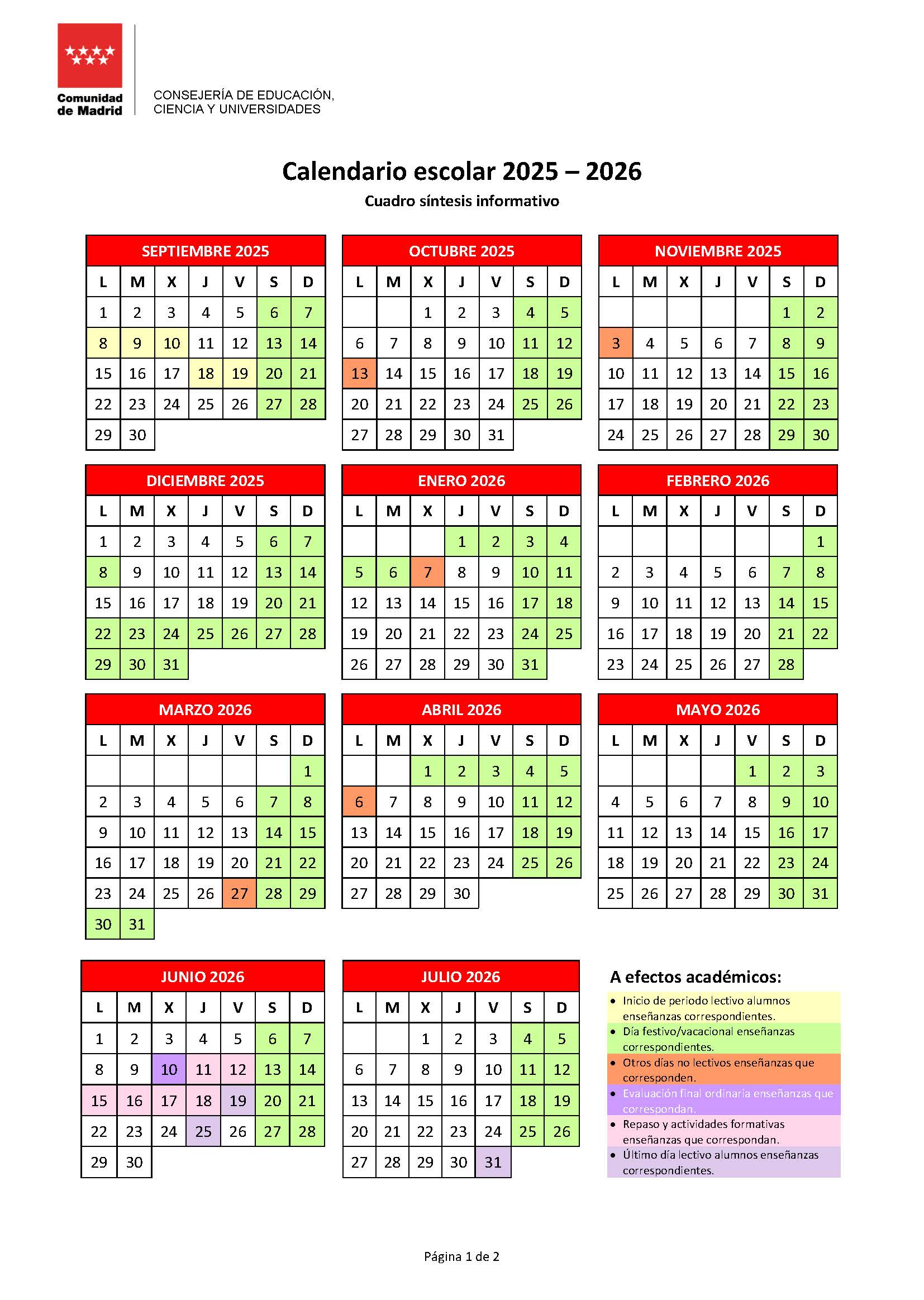
Academic Calendar
Although the Spanish academic year usually runs from September to June and our modules are taught annually, exchange students may attend one semester or a full academic year, depending on the agreement with their home institution.
How to study at La Palma School of Art
Our school welcomes foreign students who wish to undertake studies or internships at our institution. All international mobility arrangements are managed by the school’s Innovation and Internationalisation (I+I) Department. You can contact us via these emails: erasmus@ealapalma.es / internacional@ealapalma.es
Application process >
If a student wants to apply for international study, the home institution has to sign an inter-institutional agreement with our centre.
Once the student’s home institution has contacted us at erasmus@ealapalma.es, the I+I department contacts the student via email and requests the following information:
- Incoming Student Application Form
- Curriculum Vitae and letter of motivation in Europass format
- Personal portfolio
- Language-level accreditation (Spanish). Classes are taught in Spanish and so it is recommended that the student have a sufficient level of Spanish to follow the classes.
Application deadline >
May 1st for the first term (Autumn)
November 1st for the second term (Spring)
Acceptance letter >
Within 30 working days after the application deadline, successful candidates will receive an acceptance letter or e-mail giving details of arrangements for induction and enrollment if appropriate, when to arrive and what to bring. In case of being accepted all application forms must be signed, stamped and sent by the Erasmus Coordinator.
No changes will be allowed on the Learning Agreement after a month of the beginning of the semester.
Selection criteria >
As our institute is relatively small, the number of incoming students is limited to ensure the quality of the international experience. For this reason, candidates are selected according to the following criteria:
- The interest of the proposal and the curriculum vitae of the candidate
- Quality of the portfolio
- Language level
- Reciprocal inter-exchange of students from both institutions
Academic recognition >
Before the study abroad period, you, your school and our school must sign a Learning Agreement for Studies to ensure a transparent and efficient preparation of the exchange abroad. This document sets out rights and responsibilities of the various parties.
After the study abroad period, our school will provide you and your institution a Transcript of records confirming that the agreed programme has been completed and acknowledge the results.
Your higher education institution must recognize the credits (using ECTS credits or an equivalent system) as agreed in the Learning Agreement before the mobility and count them towards your degree, without any further requirements.No changes will be allowed on the Learning Agreement after a month of the beginning of the semester.
Student life >
Madrid is full of energy, culture, and life. Every year, students from all over the world come here to study, create, and enjoy unforgettable experiences.
Getting around is easy thanks to the city’s modern and accessible public transport – metro, buses, and trains connect every corner of the city.
Madrid is a cultural hotspot: world-famous museums like the Prado, Reina Sofía, and Thyssen-Bornemisza, contemporary art centers, theaters, cinemas, and music venues make the city a nonstop cultural adventure. Festivals like San Isidro and countless art, music, and theater events bring the city alive year-round.
Neighborhoods like Malasaña, Lavapiés, and Barrio de las Letras are perfect for exploring, meeting people, and feeling the local vibe. And don’t forget the terraces, cafés, and tapas bars – a true Madrid tradition!
Madrid is more than a city to study in – it’s a place to live, meet people from around the world, and dive into art, culture, and unforgettable experiences.